What Salt Air Does to a Shoreline House, and Where to Start
A practical order of operations for maintaining a house near the Sound, from fasteners out to fencing.
September 22, 2026 · 2 min read
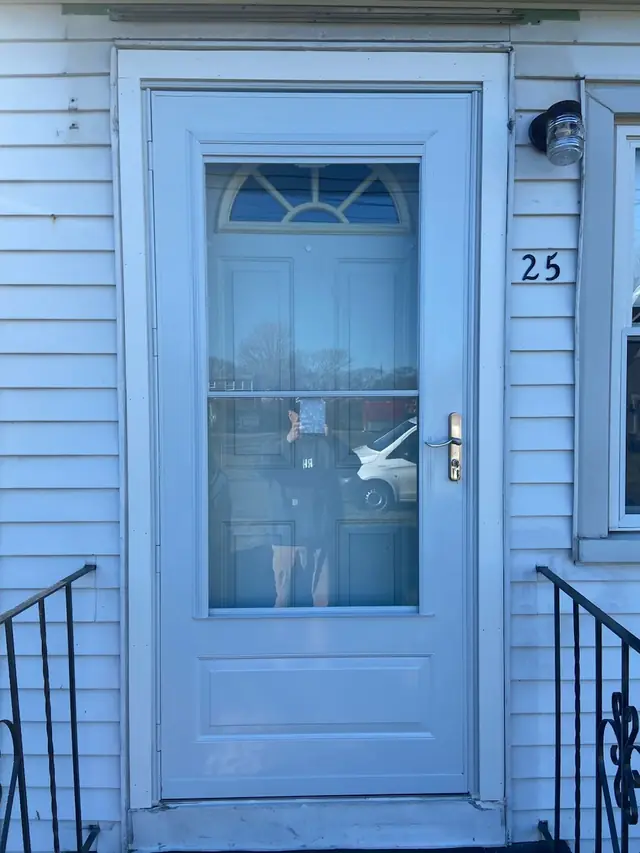
Old Saybrook sits right where the Connecticut River meets the Sound, and that location does something specific to houses that inland Connecticut towns don't deal with. Salt-laden air moves through every gap, every exposed fastener, every piece of exterior hardware, year round, not just during storms. It's slow damage, which is exactly why it gets ignored until it isn't slow anymore.
Fasteners go first
Screws and nails holding up siding, railings, gutters, and fence panels are usually the first thing to show it. A galvanized screw that would last decades in Hartford can start showing rust streaks down the siding within a few years this close to the water. Once a fastener is compromised, whatever it's holding starts to move slightly with wind, which loosens it further. That's how a tight deck board becomes a squeaky one, and a squeaky one becomes a board that lifts at the edge.
Exterior trim and doors move differently here
Wood trim on a shoreline house swells and shrinks with humidity swings that are sharper than what you'd see a few miles inland. A door that closed fine in April can start sticking by August, not because anything broke, but because the jamb absorbed moisture and swelled slightly out of square. Left alone, homeowners often plane the door down to fix the summer sticking, and then it doesn't seal right come winter when the wood dries back out. The fix isn't to remove wood. It's to address what's letting moisture in at the jamb and threshold in the first place.
The order we work in
- Fasteners and hardware first: check railings, hinges, gutter brackets, and fence hardware for corrosion before it lets go of something.
- Exterior trim and doors next: catch swelling and seal gaps before a sticking door turns into a forced repair.
- Fencing after that: posts and gates take the brunt of wind-driven rain and are usually the most visibly worn part of a shoreline property.
- Gutters checked every visit: they channel salt spray and rain away from everything above, so a clogged or misaligned gutter undoes the other three.
We don't work this order because it's the easiest for us. We work it because fixing trim before checking the fasteners underneath it is fixing the wrong layer first, and a homeowner ends up paying for the same repair twice.
What this looks like in practice
On most of our shoreline calls, the homeowner asked about one thing, usually a door or a fence, and the visit turns up two or three related issues nearby that haven't caused a visible problem yet. That's not us finding extra work to bill. It's what salt air does: it doesn't damage one spot in isolation, it works on everything exposed at roughly the same rate. Catching the fastener before it fails is a five-minute fix. Catching it after the railing comes loose in your hand is a bigger job, and a more dangerous one.
If you're not sure where your house stands, that's a normal thing not to know. Most people don't inspect their own fasteners. A walk-around with someone who knows what shoreline wear looks like, versus normal wear, tells you a lot in under an hour, and it's free to ask for.
The Renaissance Handyman, 203-278-7858
Call 203-278-7858More articles
Why We'd Rather Do Five Jobs in One Visit Than One Job Five Times
The math behind why a full to-do list, done together, costs less than the same jobs done one at a time.
Why the Trim in Your Old Colonial Never Quite Fits
Coping, scribing, and why mitering alone rarely works in a house built before drywall corners were square.